Showing 21-40 of 58 results

Agriculture in U.S. Virgin Islands Challenging, But Prevailing with Sustainable Agriculture Practices
CHRISTIANSTED, St. Croix – For months, a 14,000-gallon water tank has been sitting on its side in the middle of Frederick Miller’s Moringa tree orchard. Winds from Hurricane Maria had rolled the tank down the hillside of his farm, and he still hasn’t figured out yet how he’s going to move it. Yvette and Dale […]
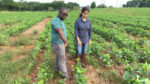
Cover Crops Do Not Deplete Stored Water in the Soil Profile, Clemson Researchers Find
CLEMSON, South Carolina – Among the myriad of benefits cover crops provide to a row crop or vegetable operation, Clemson University researchers have found another one: Cover crops do not deplete water stored in the soil profile, thus preserving the precious resource for the cash crop – an all important function, specifically in times of […]
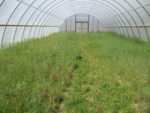
Cover Crops Have Benefits in High Tunnels
GLENWOOD, Georgia – Barley and hairy vetch growing vigorously in a high tunnel at Lola’s Organic Farm in southeast Georgia were going to seed. It was mid-April. Time to mow and prepare the soil for the summer’s cash crops: ginger and turmeric. Since last year, couple Jennifer Taylor and Ron Gilmore – USDA certified organic […]
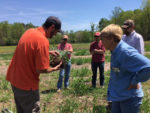
It Doesn't Take Long for Soils to Reap the Benefits of Cover Crops
HORSE SHOE, North Carolina – Whitaker Farms, a family vegetable operation nestled on the edge of the Pisgah National Forest, has been managed conventionally for generations. But last year, owner Phillip Whitaker decided to take part in a study to test the benefits of no-till and cover crops on soil health. Despite the short period […]

NCSU Explores Regionally Adapted Legumes as Forage and Cover Crops
RALEIGH, North Carolina – North Carolina State University researchers are working to expand the portfolio of crops farmers can use in grain, forage and cover crop production. Through a Southern Sustainable Agriculture Research & Education (SSARE) Graduate Student grant, student Rachel Atwell Vann and organic cropping specialist Chris Reberg-Horton field tested 19 winter pea (Pisum […]
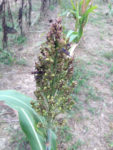
Innovations in Large-Scale Trap Cropping for Reducing Insect Pests
Trap cropping is a unique pest prevention system that uses insect behavior to deter pest feeding. Benefits of trap cropping not only include effective pest management, but trap crops can also increase biodiversity, conserve natural enemies and reduce wind damage to main crops.

Hiding in Plain Sight
MCMINVILLE, Tennessee – Winter cover crops, specifically a ryegrass/crimson clover mix, appear to protect susceptible deciduous trees from the flatheaded appletree borer, while also effectively managing weeds, according to results of a Tennessee State University study. The results could be useful for orchards, nurseries, urban landscapes and agroforestry producers in managing the significant economic pest. […]
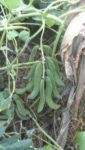
Bringing Velvet Bean Back as a Grazing Forage
MANOR, Georgia – Motorists passing through rural Manor, GA along Highway 122, perhaps on their way to Waycross, were puzzled by the mystery crop growing on a portion of Lynn Barber’s Heritage Acres farm. “Some of the older farmers knew exactly what it was, but a lot of people were stopping to ask me if […]
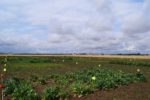
Cover Crops Acting as Trap Crops Protect Vegetables from Pests
LIVE OAK, Florida – For farmers in central Florida, planting cover crops in strips as a trap crop alongside cash crops is proving to be a highly effective method for attracting beneficial insects and controlling pests. Farmers have been so pleased with the results that they have fully adopted the Integrated Pest Management (IPM) strategy […]
Cover Crops Reduce Pest Numbers and Improve Cash Crop Yields
GAINESVILLE, Florida – Preliminary research from University of Florida has found that incorporating root-knot nematode-resistant cover crops in a perennial peanut rotation reduces pest numbers in the cash crop and improves yields. The results may be helpful for producers who choose top-yielding, yet susceptible, peanut cultivars, as well as resistant cultivars that historically carry a […]

Cover Crops Can Help Control Pests by Fostering Natural Enemies
TALLAHASSEE, Florida – Cover crops used as refuge crops in vegetable production can control insect pests by fostering populations of natural enemies and competitor non-virus vectoring species, based on the results of USDA-ARS research. Research entomologists Stephen Hight with the USDA-ARS Insect Behavior and Biocontrol Research Unit in Florida, and Stuart Reitz with Oregon State […]
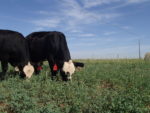
Introducing Annuals in Grazed Pastures
Annual cover crops provide ecosystem benefits to perennial-based pasture systems by introducing quality forage at opportune times of the year, creating a more diverse farm habitat, and providing opportunities to renovate overused or underutilized areas of the farm.
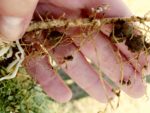
Nitrogen Release from Cover Crops
Nutrient management is a timely agricultural topic that boils down to determining the right rate, source, timing, and placement of nutrients. Cover crops can greatly influence nitrogen management either by providing available nitrogen for cash crops or by immobilizing nitrogen and creating the need for greater nitrogen fertilizer for cash crops.
Perennial Grass Cover Crops Can Optimize Wine Grape Growth
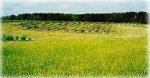
Vineyard cover crops or ‘living mulch’ consists of either sown or native vegetation, grown in vineyard row middles and/or inclusive of the area under the vine trellis (Fig. 1). Although cover crops can increase pest pressure (arthropods and voles) and vineyard management costs, benefits of cover crops include: erosion and weed control, reduction of herbicide use and mitigation of excessive vine vigor.
Soil Management Using Cover Crops in Organically Managed High Tunnels
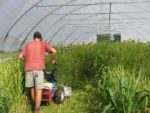
In southern climates, high tunnels are typically used for season extension in the spring, fall, and winter. In the hot summer months, if no shade cloth is used to cover high tunnels, it can be difficult to grow anything but the most heat tolerant crops, and it can be uncomfortable to work in tunnels due to the heat. This is an excellent time to incorporate a cover crop, between the late spring and early fall crops. Many cover crops species are adapted to hot southern summers and perform well in high tunnels.
Soil Biology: Cover Crops and Disease Suppression
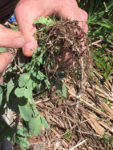
Cover crops provide several benefits to soil health such as improving soil structure, reducing the need for synthetic chemicals by decreasing weed biomass, increasing soil organic matter, contributing nutrients to the soil, retaining soil moisture, and decreasing soil erosion. In addition, the integration of cover crops into crop production often leads to soils that are suppressive to plant diseases (i.e. have less potential for disease development).
NRCS Campaign Overview: Unlocks Secrets in the Soil
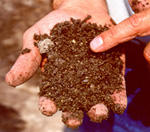
Since the official launch of the Natural Resource Conservation Service’s (NRCS) “Unlock the Secrets in the Soil Campaign” in October of 2012, the soil health movement has continued to grow, with cover crop and soil health management system adoption rates climbing and stakeholder interest increasing throughout the nation.
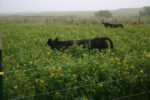
Grazing Cover Crops in Cropland
For some producers with extensive experience using cover crops, grazing can be a ‘next step’ in obtaining additional economic value while achieving environmental stewardship.
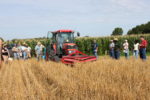
Equipment Demonstration and Conservation Systems Overview
Conservation tillage combined with high residue cover crops (Conservation Systems) can maximize residue production and minimize residue decomposition to promote the increase in organic matter across degraded soils of the Southeast, despite climatic conditions.
Economics of Cover Crops II (Part 1): USDA-NRCS Cover Crop Economics Decision Support Tool
Developed by USDA-Natural Resources Conservation Service (NRCS) economists, Lauren Cartwright (Missouri) and Bryon Kirwan (Illinois), The Cover Crop Economic Decision Support Tool is designed to help producers, landowners, planners, and others make informed decisions when considering adding cover crops to their production systems.