SARE Supports Strategies to Produce and Distribute Food, Fuel and Fiber Sustainably
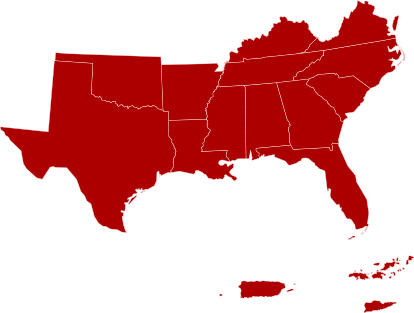
Learn more about Sustainable AgricultureSouthern SARE offers competitive grants and educational opportunities for farmers/ranchers, researchers, educators, institutions, organizations and others exploring sustainable agriculture in the Southern region, Puerto Rico and U.S. Virgin Islands. Which grant is right for you?
Featured News
Urban Farming with Soil Life Short Course
"Join us to learn about beneficial soil organisms! This course, hosted by West Atlanta Watershed Alliance (WAWA) and Patchwork City Farms, in partnership with the Xerces Society for Invertebrate Conservation, will highlight the importance of beneficial soil-dwelling organisms that contribute to maintaining healthy and productive soils on urban working lands, the functions they perform, and […]
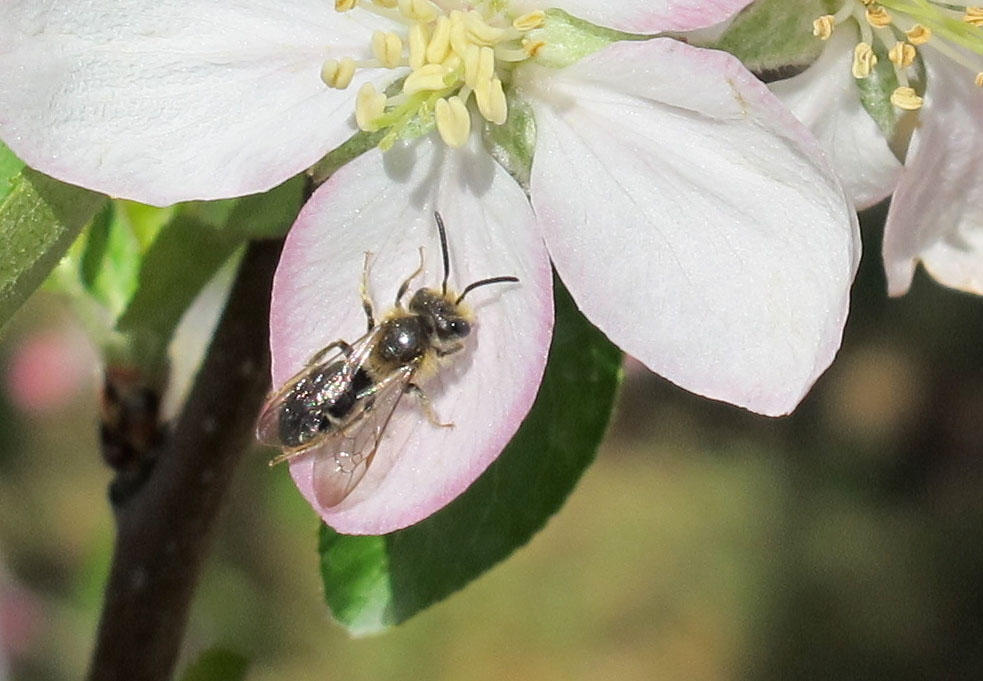
Creating Habitats for Pollinators
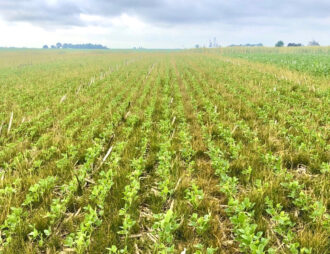
Support pollinators in your community or on your farm by providing plants that can serve as both a food source and a habitat resource. This guide, developed by North Carolina Cooperative Extension, walks you through the process of selecting plant species, preparing the planting site, and maintaining the habitat.
Get the Guide
New SARE Bulletin Available
Learn how enterprise budgets help farmers track costs and revenues for individual parts of their operations, improving financial clarity. The guide provides practical tools and examples to support recordkeeping, budgeting, and more informed whole-farm planning.
See Enterprise Budgets for Diversified FarmsThe most significant thing that came out of the project was that we received so many requests from farmers across Texas and western states like California asking for more information on tagasaste. This is a challenging area environmentally, and there are a lot of problems here that need to be solved. The SARE grant gave us a leg up in beginning to look for solutions.
Our Impact
Southern SARE Grants
- 108,247 farmers and ranchers participated in learning
- 30,777 farmers and ranchers gained knowledge or skills
- 9,286 farmers and ranchers changed a practice