Showing 1-20 of 23 results
North Carolina Farmers Market Network Resource Library
A living resource library to equip farmers market managers with the knowledge and skills needed to develop and sustain thriving farmers markets for vendors and customers. URL: https://www.ncfmn.org/resources
Desinfestación Anaeróbica del Suelo para Mejorar la Salud de las Plantas de Tomate
Esta publicación explica cómo utilizar la desinfestación anaeróbica del suelo para el manejo de plagas en tomates. Also available in English.
Anaerobic Soil Disinfestation to Advance Tomato Plant Health
This NC State fact sheet discusses the use of anaerobic soil disinfestation (ASD), also known as biological soil disinfestation (BSD), for managing several soil-borne pathogens, plant-parasitic nematodes, and weeds in vegetable and fruit crops. También disponible en español.
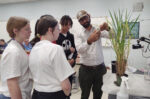
Southern SARE Awards Young Scholar Enhancement Grants for 2025
GRIFFIN, Georgia – The Southern Sustainable Agriculture Research and Education Grant program (SSARE) is giving young researchers an opportunity to learn more about sustainable agriculture. Through the James Harrison Hill, Sr. Young Scholar Enhancement Grant program, high school and undergraduate students are working alongside researchers on SSARE-funded projects, ranging from disease management to soil health […]
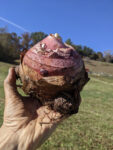
Through Field Trials, Some Taro Varieties Suitable for the Southeast
ASHEVILLE, North Carolina – Farmers across the Southeast are catching on to the production ease, culinary connections, and value-added diversity of taro – an ancient root crop that has been an integral part of the diet of civilization for thousands of years. With the right varieties, the tropical crop can be a viable, versatile, delicious, […]
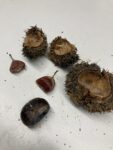
In Revitalizing the Chestnut Industry, a North Carolina Farmer is Chasing the Perfect Nut
BURNSVILLE, North Carolina – Ron Fritz has a vision to restore the grandeur of the American chestnut tree in Western North Carolina. The retired food scientist turned farmer sets his gaze on the forested hillsides of the Blue Ridge Mountains outside his small chestnut orchard and recounts the stories told of American chestnut trees that […]
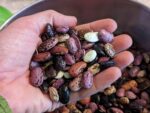
Saving Seeds for Resilient Local Systems
An inclusive online video series, funded by Southern SARE, helps promote seed-saving among Southeastern farmers and encourages a deeper exploration into seeds, heritage and ethics.
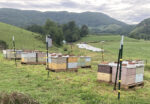
Identifying Pollen to Improve Honeybee Health
HUDSON, North Carolina – Honeybees forage their nutrition from two key plant sources: nectar and pollen. And while nectar is important, it’s the quality of pollen that is linked to colony health and growth, and may be the key to managing some of the major pollinator health issues like varroa mites and Colony Collapse Disorder. […]
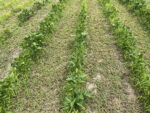
Exploring Conservation Tillage Systems for Southern Pea, a Long-forgotten Staple Making a Comeback
MOUNT OLIVE, North Carolina – Rural farmers in eastern North Carolina are rediscovering the versatility, hardiness and protein-packed powerhouse of Southern pea – a long-forgotten household food staple. “What was once old is now new again,” said Jason Davis, assistant dean of the School of Agriculture and Biological Sciences at the University of Mount Olive. […]
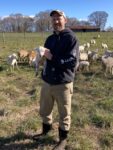
Exploring Warm Season Grasses for Parasite Control and Performance in Sheep
HIDDENITE, North Carolina – A North Carolina livestock producer is exploring the use of native warm season grasses as forage for Katahdin Hair sheep as a way quickly bring the animals to market weight, and for better parasite control. Lee Holcomb of LeeDer Farm, situated in a rural area just north of Charlotte, is establishing […]

Duke University Brings Students, Soil, and Carbon Together Through Southern SARE Grant.
DURHAM, North Carolina- Through the Southern Sustainable Agriculture Research and Education (SARE) program, Duke University built a program to study how livestock grazing can offset carbon emissions. In 2019, Duke was awarded an On-Farm Research Grant through the Southern SARE program. This grant funding helped combine the efforts of the Duke Campus Farm, the Duke […]
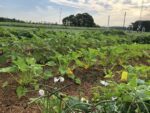
Intercropping Cowpea with Vegetables Can Increase Yields
GREENSBORO, North Carolina- Intercropping cowpea with vegetable crops can increase yields up to 50% according to a new report from the Southern Sustainable Agriculture Research and Education program. Cowpea is a nitrogen-fixing legume originally domesticated in Africa. Known for its black-eyed peas that are common in southern cooking, it has a high tolerance for sandy, […]
Farm to Fork in North Carolina
This guide provides key action ideas for building a sustainable food economy in North Carolina.
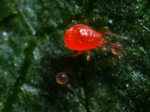
North Carolina Researchers Find New Ways to Control Pest Mites in Tomatoes
MILLS RIVER, North Carolina - Predatory mites can control two-spotted spider mites in vegetable crops under the right management plan, according to a North Carolina State University researcher. James Walgenbach studied Phytoseiulus persimilis, a predatory mite, and its ability to control two-spotted spider mites in the tomato fields of North Carolina through a Southern Sustainable […]
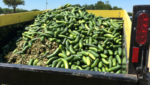
Benefits to Farmers Who Donate Fresh Produce to Food Banks
RALEIGH, North Carolina -- The Center for Environmental Farming Systems (CEFS) Whole Crop Harvest initiative has released a new video to encourage farmers to donate produce to food banks. Donations to food banks provide alternatives for farmers when they are unable to sell all of their fresh produce, says Rebecca Dunning, a North Carolina State […]
What Can Be: Regional Food Systems
This video outlines the economic redevelopment project of Working Landscapes in Warrenton, North Carolina, telling the story of two rural leaders who moved home to Warren County to contribute to their local economy by building a small processing center.
North Carolina Study Shows Local Foods a Driver for Economic Development, Especially in Rural Areas
RALEIGH, North Carolina – North Carolina farms that sell directly to consumers are more interconnected with their local economies than non-direct-to-consumer farms, and have a greater multiplier effect of generated revenue, based on the results of a North Carolina State University survey. The results, which could have applicability on a regional level, are intended to […]
Herbal Treatments Effective in Treating or Preventing Mastitis in Dairy Cattle
RALEIGH, North Carolina – Herbal treatments have been found to be just as effective as conventional antibiotics in some situations for treating or preventing mastitis in dairy cattle, based on the limited results of a North Carolina State University study. For organic dairy producers, this is heartening news, says Keena Mullen, a graduate research assistant […]
Organic Grain Production Video Series
A series of videos developed by University of Georgia, North Carolina State University and USDA-ARS on organic grain production.
Place-Based Foods of Appalachia
A publication to foster recognition of the Appalachia region and encourage preservation of heirloom seed varieties.