Showing 1-10 of 10 results
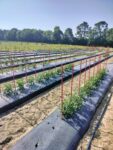
Soil Health and Crop Benefits to Integrating Biochar and Poultry Litter in Plasticulture Tomatoes
TIFTON, Georgia – Biochar, a soil amendment, mixed with poultry litter, an organic fertilizer, improved soil health and increased crop performance in south Georgia tomatoes, compared to biochar mixed with synthetic fertilizers, a University of Georgia study shows. Funded through a Southern Sustainable Agriculture Research and Education (SSARE) Graduate Student Grant, horticulture professor Ted McAvoy […]
Desinfestación Anaeróbica del Suelo para Mejorar la Salud de las Plantas de Tomate
Esta publicación explica cómo utilizar la desinfestación anaeróbica del suelo para el manejo de plagas en tomates. Also available in English.
Anaerobic Soil Disinfestation to Advance Tomato Plant Health
This NC State fact sheet discusses the use of anaerobic soil disinfestation (ASD), also known as biological soil disinfestation (BSD), for managing several soil-borne pathogens, plant-parasitic nematodes, and weeds in vegetable and fruit crops. También disponible en español.
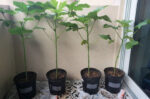
Exploring Algal Blooms as Biofertilizer in Vegetable Production
MIAMI, Florida – Algal blooms, which can grow excessively on lakes and other slow-flowing bodies of water, are an environmental, ecological, economic, and social problem. But Florida International University (FIU) researchers are seeking to reverse those issues by using the microscopic organisms as biofertilizer in agricultural crops. Agroecologist Krish Jayachandran and Earth and Environment post […]
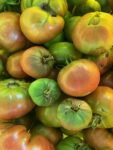
Farmer Studies the Effects of a Biostimulant on Tomato Vigor and Yields
JOHNS ISLAND, South Carolina – Applying a green microalga, in combination with compost, to tomato plants appears to improve plant vigor and increase crop yields, according to the results of a one-year Southern Sustainable Agriculture Research and Education (SSARE) Producer Grant. Farm managers Dale Snyder, Jennifer Wicker and George Taylor of Sweetgrass Garden were interested […]
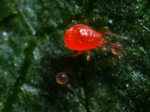
North Carolina Researchers Find New Ways to Control Pest Mites in Tomatoes
MILLS RIVER, North Carolina - Predatory mites can control two-spotted spider mites in vegetable crops under the right management plan, according to a North Carolina State University researcher. James Walgenbach studied Phytoseiulus persimilis, a predatory mite, and its ability to control two-spotted spider mites in the tomato fields of North Carolina through a Southern Sustainable […]
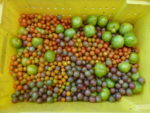
Grafting Can Help Control Diseases in Organic High Tunnel Tomatoes
GAINESVILLE, Florida – Grafting can help control diseases in organically grown high tunnel tomatoes, according to the results of a University of Florida study. In the study, funded by a Southern Sustainable Agriculture Research & Education (SSARE) On-Farm Research Grant, specialty tomatoes grafted onto two disease-resistant rootstocks effectively managed Fusarium wilt and improved the overall […]
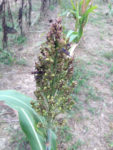
Innovations in Large-Scale Trap Cropping for Reducing Insect Pests
Trap cropping is a unique pest prevention system that uses insect behavior to deter pest feeding. Benefits of trap cropping not only include effective pest management, but trap crops can also increase biodiversity, conserve natural enemies and reduce wind damage to main crops.

Cover Crops Can Help Control Pests by Fostering Natural Enemies
TALLAHASSEE, Florida – Cover crops used as refuge crops in vegetable production can control insect pests by fostering populations of natural enemies and competitor non-virus vectoring species, based on the results of USDA-ARS research. Research entomologists Stephen Hight with the USDA-ARS Insect Behavior and Biocontrol Research Unit in Florida, and Stuart Reitz with Oregon State […]
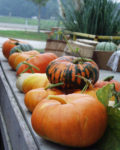
Place-Based Foods of Appalachia
A publication to foster recognition of the Appalachia region and encourage preservation of heirloom seed varieties.