Showing 21-25 of 25 results
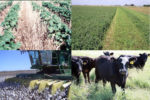
Agroecosystems Economics in the Texas High Plains: A 10-year analysis, 1999-2008
Based on 10 years of Texas Tech University research, integrated cotton-forage-beef cattle systems are just as profitable as cotton monoculture systems. But there’s more. Integrated crop-livestock systems use less irrigation water, are more energy efficient, preserve soils by reducing wind erosion, and have a lower economic risk related to specific-loss events, such as a drought.
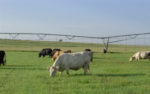
Diversifying in the Texas High Plains: Examples of agroecosystems models
The following system configurations are examples of the diversified crop/livestock production practices that have been studied across the Texas High Plains since 1997. These systems have been tested against cotton monoculture –a subsurface drip-irrigated system farmed with conventional cultural practices recommended for the High Plains region.
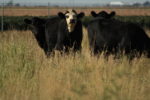
Sustainable Crop/Livestock Systems in the Texas High Plains: Phase II
In the Southern SARE-funded project (LS02-131), “Forage and Livestock Systems for Sustainable High Plains Agriculture,” research continued into Phase II with the addition of dryland grazing systems and deficit-irrigated forage-livestock grazing systems.
Sustainable High Plains Research Bulletins
A series of bulletins showcasing the various facets of Texas Tech University research on integrated crop and livestock production systems in the Texas High Plains. The bulletins cover sustainable agroecosystems, crops and soils, and water conservation.
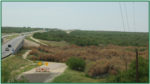
Biological Control of Saltcedar
A fact sheet published by Texas AgriLife Extension on using leaf beetles as a biological control of saltcedar, an invasive shrub found throughout Texas.