The Project Review Committee is involved in the review and selection of the following Southern SARE Grants:
Research and Education Grants
Research and Education Grants are research-based projects with required farmer collaboration, and an educational/outreach component to extend the project findings to the public. Research and Education Grants encourage a multi-institutional, multi-disciplinary systems approach to agricultural research.
Research and Education Grants involve a pre-proposal and full proposal application process. Applicants whose pre-proposals are selected will be invited to submit a full proposal.
Research and Education Grant pre-proposals open in late February or early March with an application deadline in June. In August, selected pre-proposal applicants are invited to submit full proposals, with an application deadline in November. Full proposals are selected and announced in February.
The full Administrative Council is involved in screening pre-proposals at the close of the pre-proposal grant deadline. After the full Administrative Council makes its recommendation on the pre-proposals, the Project Review Committee meets to discuss which pre-proposals to invite for full proposals based on the scores, comments, and recommendations put forth by the Administrative Council. At the full proposal stage, a team of outside technical reviewers score the full proposals. Once the technical reviewers have completed their reviews, the Project Review Committee reviews and makes funding recommendations to the full Administrative Council.
The following Project Review Committee Review tutorial provides guidance for reviewing proposals so that both seasoned and new Committee members are prepared to put forth the most effective research-driven projects (both quantitative and qualitative) to help farmers further sustainable agriculture practices across the Southern region.
Step 1: Planning
Before beginning the review process, learn more about the Research and Education Grant and its requirements.
Learn About the Grant
Step 2: Grant Timeline
The review process for the Research and Education Grants involve the full Administrative Council, outside technical reviewers, and the Project Review Committee. A schedule is available that provides a breakdown of the Research and Education Grant timeline, from the release of the Call for Proposals to the funding selection.
Read the Grant Process
Step 3: Review Criteria
Review questions and a scoring rubric are used to evaluate Research and Education Grant pre-proposals and full proposals to make funding decisions. Learn more about how proposals are reviewed.
Read the Criteria
Step 4: Online Navigation
Commenting on and scoring Research and Education Grant proposals take place in the SARE Grant Management System. Before beginning the review process, learn to navigate the system.
Follow the Instructions
Step 5: Best Practices
Sometimes evaluating proposals goes beyond the technical aspects of the review process. Learn more about additional best practices when considering Research and Education Grant proposals for funding.
Consider These Best PracticesEducation Grants
Education Grants, while open to academic institutions, are specifically designed for organizations, such as non-profits, to conduct sustainable agriculture work that is not grounded in research. Education Grants should focus on a topic area of sustainable agriculture relevance that meets SARE’s program goals. In addition, the proposed project should comprise education/outreach efforts/activities that support the research/education foundation of the institution/organization, and must clearly articulate how those education/outreach efforts/activities will be implemented and evaluated.
Education Grant proposals open in May with an application deadline of August. Selected projects are announced for funding in February.
The Project Review Committee is involved in reviewing Education Grant proposals. Once the Committee has completed its technical review, it makes funding recommendations to the full Administrative Council.
The following Project Review Committee Review tutorial provides guidance for reviewing proposals so that both seasoned and new Committee members are prepared to put forth the most effective educational-based projects to help farmers, organizations, and others in the community further sustainable agriculture practices across the Southern region.
Step 1: Planning
Before beginning the review process, learn more about the Education Grant and its requirements.
Learn About the Grant
Step 2: Grant Timeline
The review process for Education Grants only involves the Project Review Committee. A schedule is available that provides a breakdown of the Education Grant timeline, from the release of the Call for Proposals to the funding selection.
Read the Grant Process
Step 3: Review Criteria
Review questions and a scoring rubric are used to evaluate Education Grants to make funding decisions. Learn more about how proposals are reviewed.
Read the Criteria
Step 4: Online Navigation
Commenting on and scoring Education Grant proposals take place in the SARE Grant Management System. Before beginning the review process, learn to navigate the system.
Follow the InstructionsGraduate Student Grants
Graduate Student Grants are specifically for Master's and PhD students enrolled at accredited institutions across the Southern region to conduct sustainable agriculture research projects. The main objective of the Graduate Student Grants is to prepare the next generation of scientists in researching sustainable solutions to the challenges farmers and ranchers face each day, and to prepare young professionals to work together with other scientists, educators, and farmers to test sustainable ag theories in real-world, on-farm situations.
Graduate Student Grant proposals open in February with an application deadline in May. Selected projects are announced in August.
Once the application deadline closes, proposals receive reviews from outside technical reviewers. Once the technical reviewers have completed their reviews, the Project Review Committee reviews and makes funding recommendations to the full Administrative Council.
The following Project Review Committee tutorial provides guidance for reviewing proposals so that both seasoned and new Committee members are prepared to put forth the most effective student-focused, research-driven projects (both quantitative and qualitative) to help farmers further sustainable agriculture practices across the Southern region.
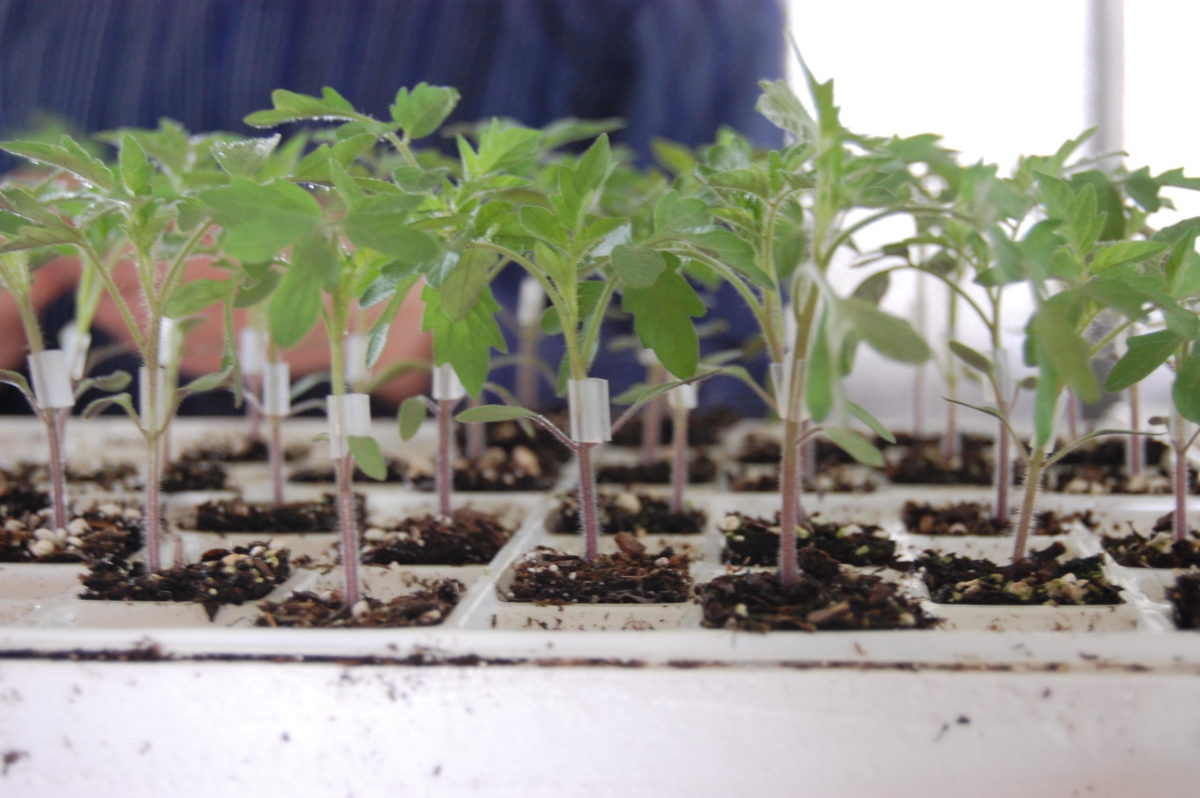
Step 1: Planning
Before beginning the review process, learn more about the Graduate Student Grant and its requirements.
Learn About the Grant
Step 2: Grant Timeline
The review process for the Graduate Student Grants involve outside technical reviewers and the Project Review Committee. A schedule is available that provides a breakdown of the Graduate Student Grant timeline, from the release of the Call for Proposals to the funding selection.
Read the Grant Process
Step 3: Review Criteria
Review questions and a scoring rubric are used to evaluate Graduate Student Grant proposals to make funding decisions. Learn more about how proposals are reviewed.
Read the Criteria
Step 4: Online Navigation
Commenting on and scoring Graduate Student Grant proposals take place in the SARE Grant Management System. Before beginning the review process, learn to navigate the system.
Follow the InstructionsYoung Scholar Enhancement Grants
Young Scholar Enhancement Grants are not open to the public. These grants support active Research and Education Grants and Education Grants, and are designed for a researcher or community-based ag professional to bring on board a high school or undergraduate student who is interested in pursuing college degrees emphasizing agriculture careers.
Principal investigators with active Research and Education Grants and Education Grants are invited in February to submit an application, with an application deadline of April. Selected projects run 6 weeks over the course of the summer, beginning June 1.
Once the application deadline closes, the Project Review Committee evaluates proposals and makes funding recommendations to the Executive Committee for approval, generally in April.
Step 1: Planning
Before beginning the review process, learn more about the Young Scholar Enhancement Grant.
Learn About the Grant
Step 2: Grant Timeline
The review process for the Young Scholar Enhancement Grants involves only the Project Review Committee.
See the Grant Schedule
Step 3: Review Criteria
The review criteria for the Young Scholar Enhancement Grants is a simple review process in the SARE Grant Management System.
Read the Criteria
Step 4: Online Navigation
Reviewing Young Scholar Enhancement Grants take place in the SARE Grant Management System. Before beginning the review process, learn to navigate the system.
Follow the Instructions